Personalised, minimally invasive vein treatments with careful diagnosis, clear treatment plans, and follow-up care, where clinically appropriate.
We provide expert diagnosis and minimally invasive treatment for varicose and spider veins.
Dr Babak Khanzadi offers evidence-based vein assessment and treatment tailored to your symptoms, lifestyle, and aesthetic goals.
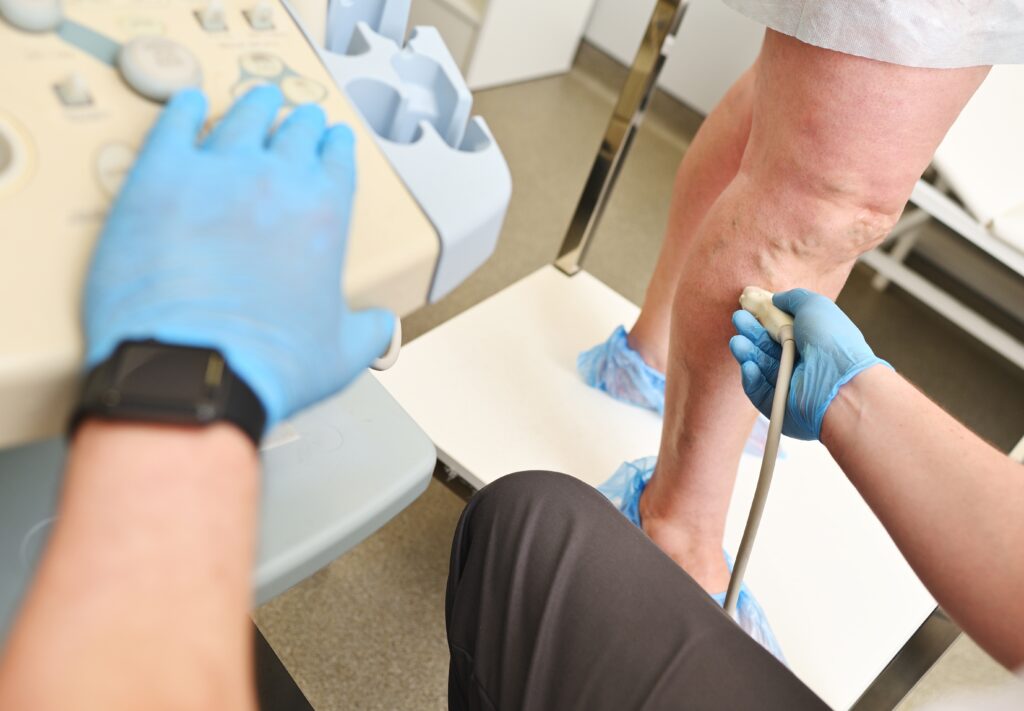
We deliver expert diagnosis and advanced treatment solutions, combining detailed ultrasound assessment with minimally invasive procedures and personalised follow-up care. Our approach prioritises accuracy, patient comfort, and natural-looking results.
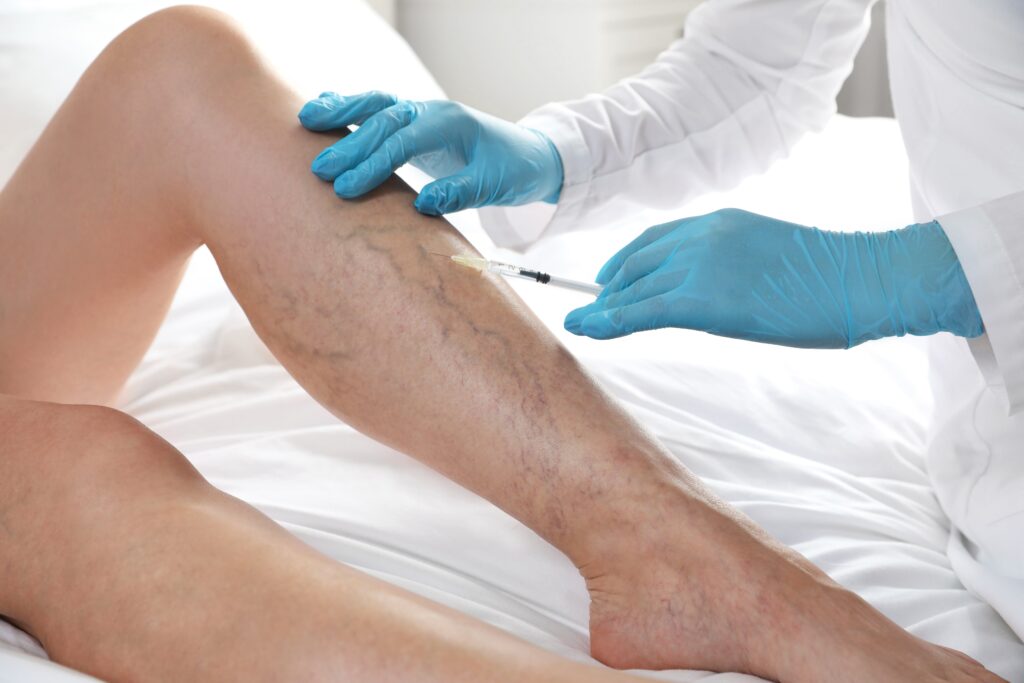
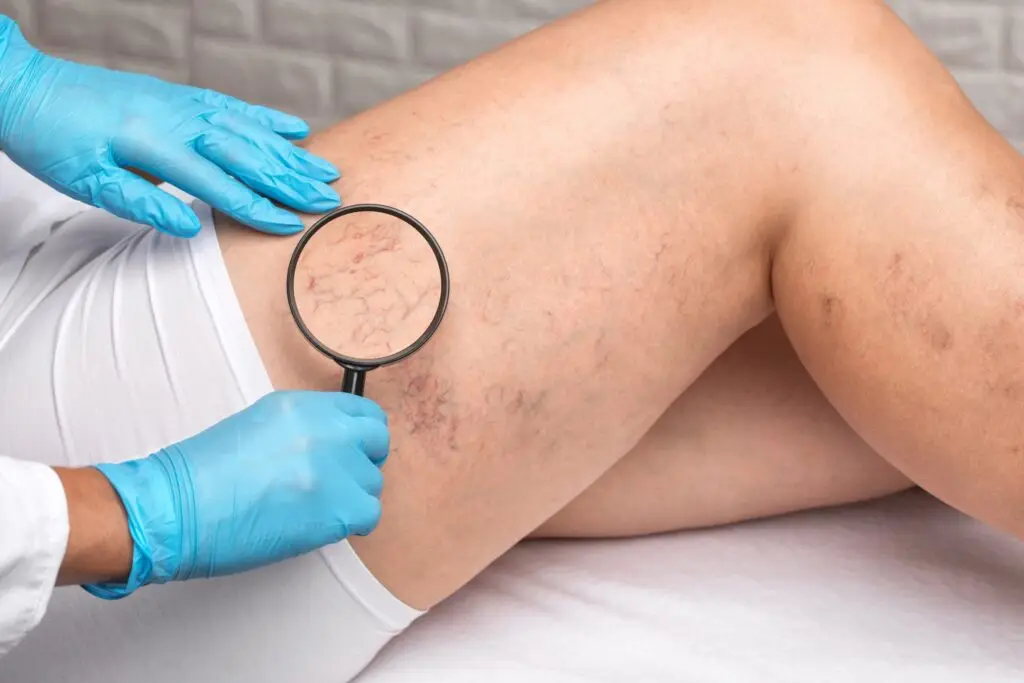
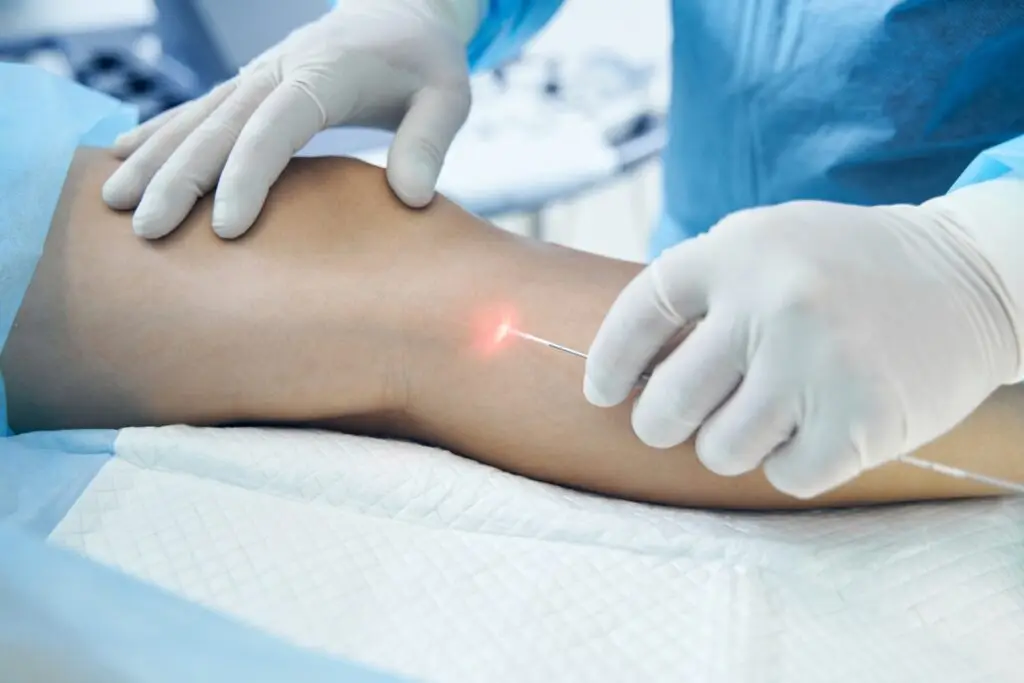
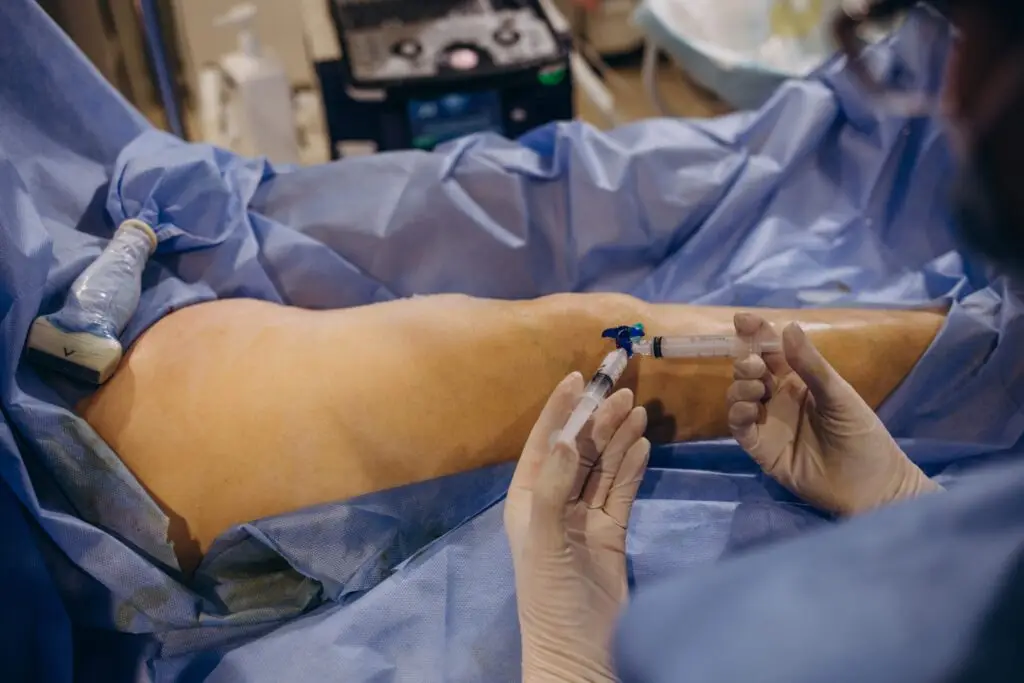
Our services include varicose vein treatment, spider vein treatment, microsclerotherapy for cosmetic spider veins, Endovenous Laser Ablation (EVLA), Radiofrequency Ablation (RFA), ultrasound-guided foam sclerotherapy, mechanochemical ablation, microphlebectomy, and customised compression therapy.
All treatments are subject to clinical assessment. Suitability, risks, benefits, costs and expected outcomes vary between patients and are discussed during consultation.
Modern minimally invasive care with less discomfort, lower risk, and a smoother recovery experience.
Onsite vascular ultrasound helps assess your condition accurately and guide the right treatment plan.
From diagnosis to treatment, Dr Babak Khanzadi provides seamless care in one convenient clinic.
Dr Babak Khanzadi offers expert treatment, clear advice, and support through every stage of care.
It’s completely normal to have questions before starting treatment for varicose veins. This page answers the concerns we hear most often, so you can better understand your options and feel more confident about the next step in your care.
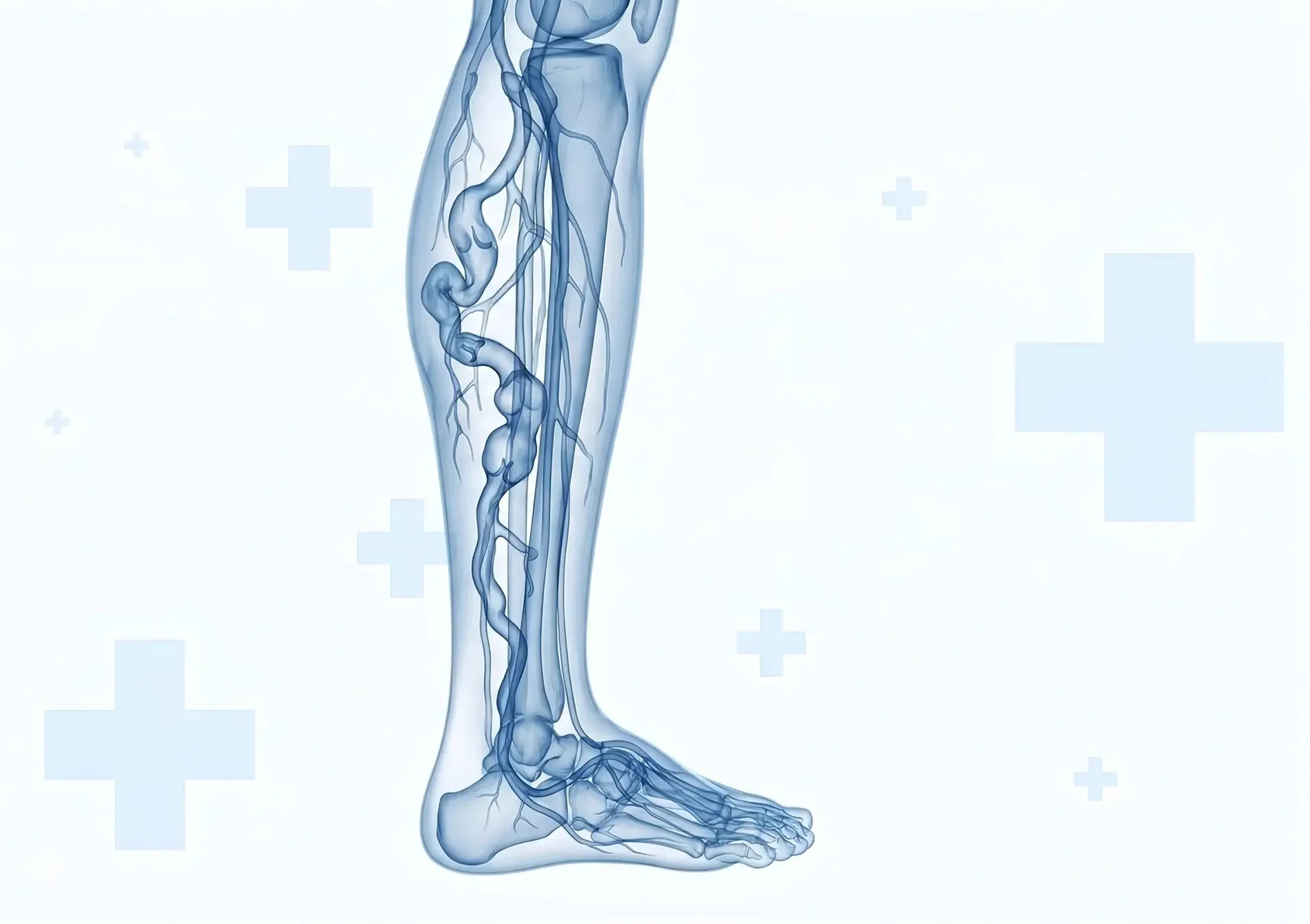
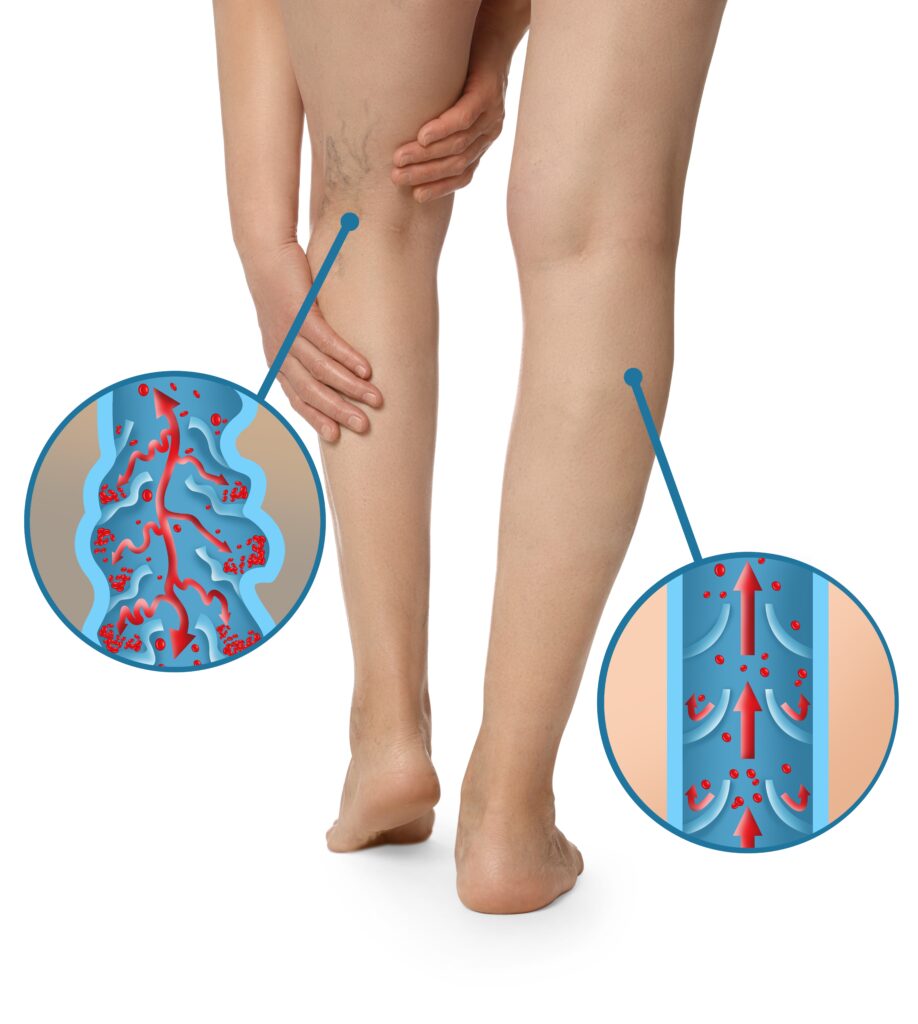
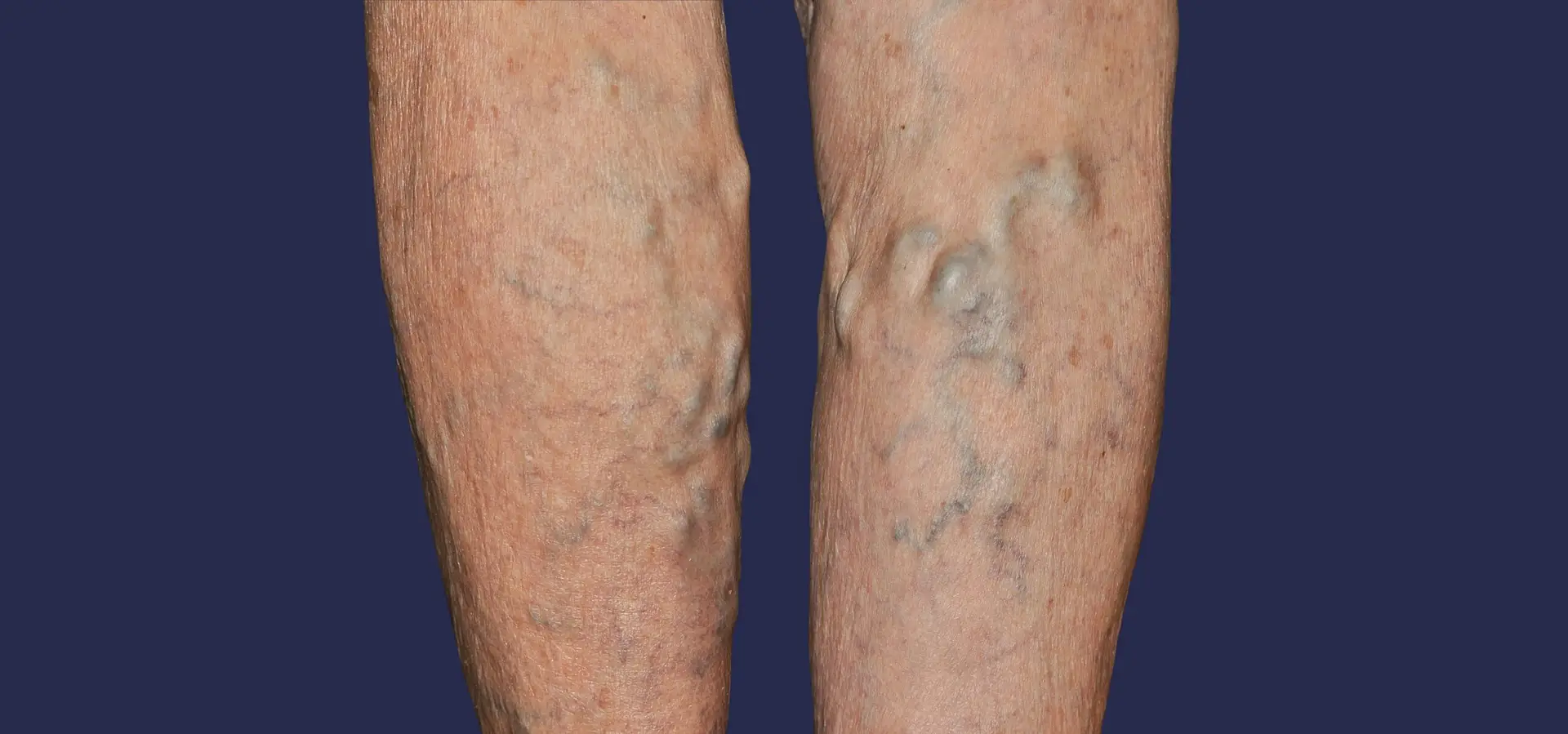
Varicose veins develop when the valves inside the veins stop working properly, allowing blood to flow backwards and collect in the legs. This increased pressure can cause the veins to enlarge, twist and become more noticeable over time.
Not always. While some people are mainly concerned about appearance, varicose veins can also cause aching, heaviness, swelling, itching and discomfort, and in some cases may lead to skin changes or other complications if left untreated.
Varicose veins usually do not go away without treatment. Symptoms may improve temporarily with measures such as walking, compression stockings and elevating the legs, but the underlying vein problem generally remains.
Treatment depends on the severity of your symptoms and the condition of your veins. After assessment, your doctor may recommend conservative management, ultrasound-guided treatment, minimally invasive procedures or a personalised treatment plan based on your needs.
Modern varicose vein treatments are generally safe and are designed to minimise discomfort. Most procedures are well tolerated, and your doctor will explain the expected benefits, possible risks and recovery process before treatment begins.
Recovery time varies depending on the type of treatment and your individual health needs. Many patients return to normal daily activities quite quickly, although your doctor may advise temporary limits on strenuous exercise, long periods of standing or other activities during recovery.
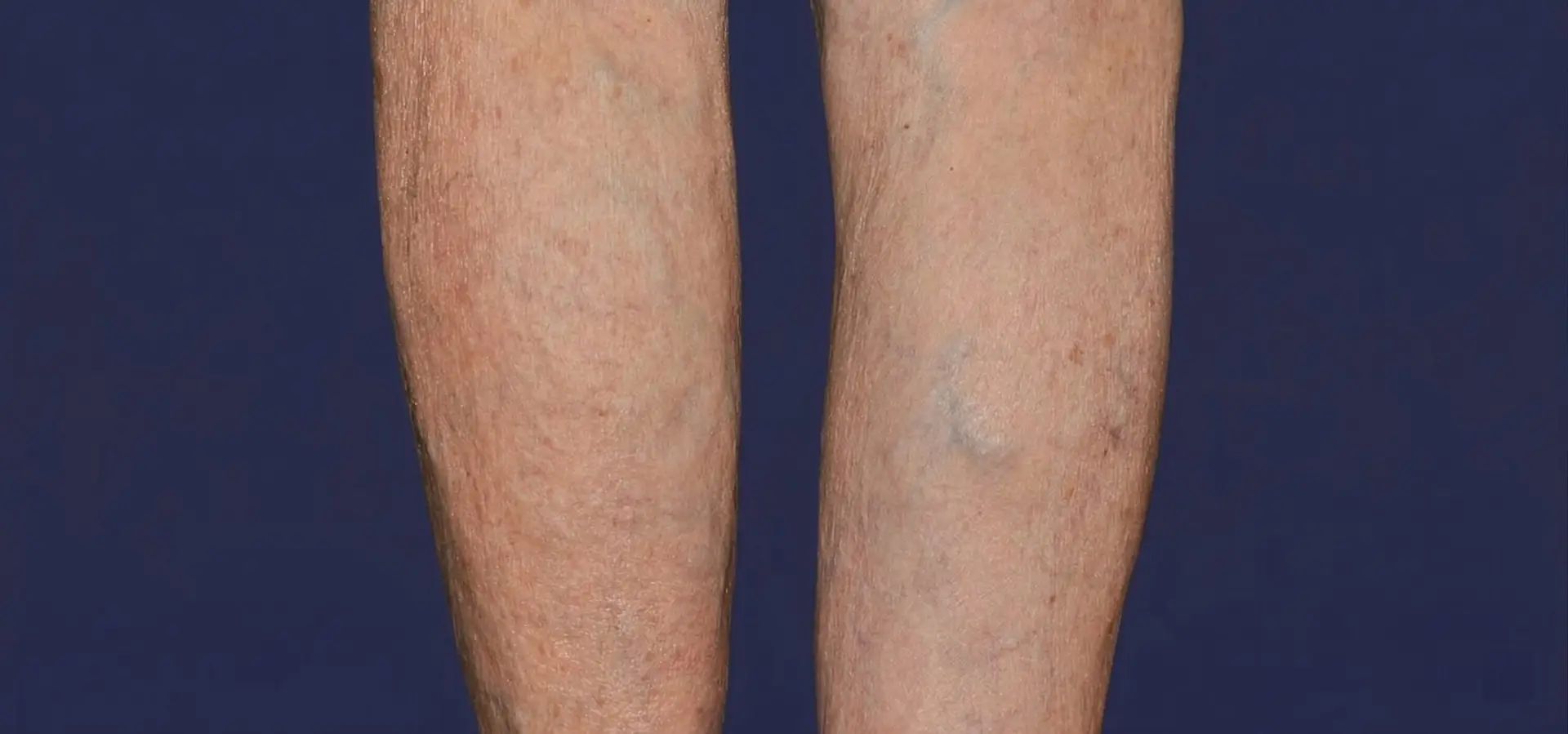
Varicose veins may appear as enlarged, twisted veins in the legs. Common symptoms include heaviness, aching, swelling, itching, or night cramps.
You should seek treatment if symptoms persist, worsen, or if you notice skin changes such as discoloration or ulcers.
Dr Babak Khanzadi provides a full range of evidence‑based vein treatments for varicose and spider veins, tailored to your clinical presentation and individual circumstances. Treatment options are discussed after consultation and ultrasound assessment.
Copyright © 2026 Dr Khanzadi. All rights reserved.